Table of Contents
Open Table of Contents
- What Is the Startup Korea Special Visa (OASIS-9)?
- OASIS Program Structure: 9 Levels Explained
- Eligibility Requirements for OASIS-9
- What Funding & Support Does OASIS-9 Provide?
- Step-by-Step Application Process
- Real-World Success Stories
- Common Mistakes to Avoid
- How OASIS-9 Compares to Other Visa Pathways
- What Happens After Your D-8 Visa Expires?
- How We Help Foreign Entrepreneurs with OASIS-9 & D-8 Visas
- 📩 Ready to Launch Your Startup in Korea?
What Is the Startup Korea Special Visa (OASIS-9)?
Program Overview
OASIS stands for “Outstanding Alien Startup Support”—a multi-track program administered by the Ministry of SMEs and Startups (MSS) to attract global entrepreneurial talent.
OASIS-9 specifically:
- Targets foreign (pre-)entrepreneurs who want to establish a tech-based business in Korea
- Provides financial grants (up to KRW 10M) for prototype development, marketing, and IP registration
- Offers acceleration and mentoring to help founders navigate Korea’s business ecosystem
- Serves as a stepping stone to D-8-4 (Technology Startup Visa) or D-10-2 (Startup Preparation Visa)
Who Should Apply?
Ideal candidates:
- Tech entrepreneurs with a viable business idea (AI, IoT, biotech, SaaS, etc.)
- Serial founders from overseas looking to enter the Korean market
- Corporate employees (non-Korean passport holders) planning to leave their job and start a company in Korea
- University graduates (Korean or foreign universities) with technical expertise
Not a good fit:
- Restaurant, retail, or traditional service businesses (prefer D-9 Trade Management visa instead)
- Founders who need immediate revenue (OASIS focuses on R&D/prototyping phase)
- Applicants without English or Korean language proficiency (program materials are bilingual, but business pitches require one or both)
OASIS Program Structure: 9 Levels Explained
The OASIS system includes nine distinct programs (OASIS-1 through OASIS-9), each targeting different aspects of entrepreneurship. Here’s where each fits:
| Program | Target Audience | Main Benefit |
|---|---|---|
| OASIS-1 | Foreign students in Korea | Entrepreneurship education + visa pathway |
| OASIS-2 | IP-focused founders | Patent/trademark application support |
| OASIS-3 | Early-stage startups | Seed funding (KRW 20-50M) |
| OASIS-4 | Growth-stage companies | Series A/B matching grants |
| OASIS-5 | Export-ready startups | Global market entry (trade shows, localization) |
| OASIS-6 | Team-based ventures | Joint IP registration for co-founders |
| OASIS-9 | Foreign entrepreneurs (pre-visa stage) | Commercialization funding + D-8/D-10 visa |
| OASIS-X | Accelerators/incubators | Program hosting support |
Why OASIS-9 matters most: It’s the entry point for foreigners who don’t yet have a Korean visa but want to start a company. Once accepted, you receive funding and a pathway to Technology Startup Visa (D-8-4) or Startup Preparation Visa (D-10-2).
Eligibility Requirements for OASIS-9
1. Nationality & Residency
- Must hold a non-Korean passport (Korean citizens are ineligible)
- No prior residency requirement (you can apply from abroad)
- Currently in Korea on a different visa? You can still apply (e.g., E-2 teaching visa holders planning to transition)
2. Business Type
Qualifying industries:
- Software & IT (SaaS, mobile apps, AI/ML)
- Hardware & IoT (smart devices, robotics)
- Biotechnology & healthcare (medtech, digital health)
- Green energy & cleantech
- Fintech (blockchain, payments, insurtech)
- Content & media tech (AR/VR, gaming platforms)
Non-qualifying:
- Retail stores, restaurants, cafes
- Real estate agencies
- Consulting firms (unless tech-enabled platform)
- Import/export trading (use D-9 visa instead)
3. Stage of Development
Accepted:
- Pre-seed: Idea stage with prototype plan
- Prototype: MVP or beta version in development
- Early revenue: <KRW 100M annual sales
Not accepted:
- Established companies with >3 years of operation
- Businesses already generating >KRW 500M annually
4. Point System (Recommended)
While not strictly mandatory, accumulating points through other OASIS programs (OASIS-2, OASIS-6) or external achievements improves approval chances:
| Achievement | Points |
|---|---|
| Completed OASIS-2 (IP education) | 20 |
| Patent/trademark registration | 30-50 |
| K-Startup Grand Challenge (Top 20) | 80 |
| Korean government startup program selection | 40-60 |
| Investment secured (KRW 100M+) | 50-100 |
| Tech competition award (domestic/intl) | 20-40 |
Minimum points for D-8 visa: Typically 120 points (but varies by year and program demand)
What Funding & Support Does OASIS-9 Provide?
1. Commercialization Grant: Up to KRW 10 Million
Eligible expenses:
- Prototype development: Engineering, design, hardware components
- Marketing & branding: Website, pitch deck, promotional materials
- IP application: Patent filing fees, trademark registration, legal counsel
- Market research: Customer surveys, competitive analysis tools
- Lab/office setup: Co-working space rent (up to 3 months), equipment
Not covered:
- Salaries or founder living expenses
- Luxury items (high-end laptops unless essential for product)
- Personal travel unrelated to business
Disbursement schedule:
- 50% upfront upon program acceptance
- 50% upon milestone completion (prototype demo, IP filing, pilot customer acquisition)
2. Acceleration & Mentoring Program
Duration: 3-6 months (varies by cohort)
Components:
- Weekly mentorship sessions with Korean entrepreneurs, VCs, and corporate executives
- Access to co-working space in Seoul (Gangnam, Yeouido, or Hongdae hubs)
- Networking events: Pitch nights, investor meetups, corporate partnership introductions
- Legal & accounting workshops: Company registration, tax filing, IP strategy
Language: Sessions conducted in English and Korean (translators available)
3. Visa Pathway Support
OASIS-9 participants receive priority processing for:
D-8-4 (Technology Startup Visa)
- Duration: 2 years (renewable)
- Requirements:
- OASIS-9 completion certificate
- Registered Korean company (LLC or Corporation)
- Office address in Korea
- Business plan showing technological innovation
D-10-2 (Startup Preparation Visa)
- Duration: 1 year (can extend to 2 years)
- Use case: For founders still finalizing business model before company registration
- Ideal for: Pre-product entrepreneurs conducting market research or securing investment
Processing time: 2-4 weeks (compared to 6-12 weeks for standard D-8 applications)
Step-by-Step Application Process
Step 1: Online Pre-Registration
Visit: startup-korea.com/programs/korea-startup-visa
Required documents:
-
Passport copy (bio page)
-
Resume/CV (academic background, work experience, entrepreneurial history)
-
Business plan (5-10 pages) including:
- Problem statement & solution
- Target market & competition
- Technology/IP moat
- Revenue model
- Team composition
- Funding requirements
-
Supporting materials:
- Prototype screenshots/demo video (if available)
- Letters of intent from potential customers (optional but helpful)
- IP certificates (patents, trademarks)
- Proof of investment (if any)
Language: Business plan can be submitted in English (no Korean translation required at this stage)
Step 2: Initial Screening
Timeline: 2-3 weeks after submission
What happens:
- MSS review committee evaluates applications
- Top 30-40% invited to in-person or virtual interviews
Rejection reasons (common):
- Non-tech business model
- Unclear competitive advantage
- Insufficient market research
- Team lacks relevant expertise
Step 3: Interview & Pitch
Format:
- 10-minute pitch (English or Korean)
- 15-minute Q&A with panel (MSS officials, Korean VCs, industry experts)
Evaluation criteria:
- Innovation (30%) – Is the technology novel?
- Market potential (25%) – Addressable market size in Korea/globally
- Team capability (25%) – Founder’s technical/business track record
- Execution plan (20%) – Realistic milestones and budget
Tips:
- Focus on Korea-specific market opportunity (e.g., “Korea’s AI chatbot market is growing 40% YoY”)
- Highlight partnerships or customers already in Korea
- Explain why Korea (e.g., semiconductor supply chain access, 5G infrastructure)
Step 4: Acceptance & Funding Agreement
Notification: 1-2 weeks post-interview
Next steps for accepted applicants:
- Sign funding agreement (specifies milestones, disbursement schedule)
- Attend orientation session (online or in Seoul)
- Receive first tranche (50% of KRW 10M grant)
Step 5: Company Registration in Korea
You must establish a legal entity to receive OASIS-9 funds. Two options:
Option A: Yuhan Hoesa (LLC)
- Minimum capital: KRW 10M (approx. USD $7,500) – can use OASIS-9 grant
- Shareholders: 1+ (can be 100% foreign-owned)
- Liability: Limited to invested capital
- Timeline: 2-3 weeks
Option B: Jusik Hoesa (Corporation)
- Minimum capital: None legally required, but KRW 100M+ recommended for FDI benefits
- Shareholders: 1+ (can be 100% foreign-owned)
- Advantages: Easier to raise VC funding, qualify for tax incentives
- Timeline: 3-4 weeks
Required for registration:
- Apostilled passport (from your home country embassy)
- Company seal (can order online in Korea)
- Registered office address (virtual office acceptable initially)
Cost: KRW 500K–1.5M (USD $400–$1,200) for legal/administrative fees
Step 6: D-8 or D-10 Visa Application
Submit to Korean Immigration (HIKOREA):
- OASIS-9 completion certificate
- Company registration certificate
- Office lease agreement
- Proof of funds (bank statement showing KRW 30M+ recommended)
- Health insurance enrollment
Processing: 2-4 weeks
Visa validity: D-8 (2 years), D-10 (1 year)
Real-World Success Stories
Case Study 1: US Founder Launches AI SaaS in Seoul
Founder: Sarah Chen (San Francisco, CA)
Company: AI-powered customer service chatbot for Korean e-commerce
OASIS-9 Grant: KRW 10M
Outcome:
- Used grant for Korean language NLP model training
- Secured pilot contract with Coupang Eats
- Raised KRW 500M seed round from Korean VCs
- D-8 visa approved in 3 weeks
Case Study 2: Indian Engineer Builds IoT Hardware for Smart Factories
Founder: Raj Patel (Bangalore, India)
Company: Industrial IoT sensors for predictive maintenance
OASIS-9 Grant: KRW 8M (used for prototype manufacturing)
Outcome:
- Partnered with Hyundai Motor supplier for pilot deployment
- Won TIPS (Tech Incubator Program for Startups) – KRW 100M additional funding
- D-8 visa + permanent residence pathway (after 3 years of operation)
Common Mistakes to Avoid
❌ Mistake 1: Applying with a Non-Tech Business
Example: “I want to open a Korean BBQ restaurant using OASIS-9.”
Why it fails: OASIS targets technology-driven ventures, not traditional F&B.
Solution: Use D-9 (Trade Management) visa for retail/restaurant businesses.
❌ Mistake 2: Insufficient Korea Market Research
Example: Business plan shows 90% of revenue from US/Europe, minimal Korea focus.
Why it fails: MSS wants to see Korea as primary or early market.
Solution: Highlight Korea-specific traction (letters of intent from Korean customers, partnerships with Korean companies).
❌ Mistake 3: Not Joining OASIS-2 First
Missed opportunity: OASIS-2 (IP education program) gives 20 points toward D-8 visa threshold.
Recommendation: Complete OASIS-2 before or alongside OASIS-9 for higher approval odds.
❌ Mistake 4: Underestimating Living Costs in Seoul
Reality check:
- Monthly rent (studio): KRW 800K–1.5M (USD $600–$1,100)
- Health insurance: KRW 150K/month (USD $110)
- Food & transportation: KRW 600K/month (USD $450)
Total: KRW 1.5–2.5M/month (USD $1,100–$1,900)
The OASIS-9 grant (KRW 10M) does NOT cover living expenses.
Advice: Budget at least USD $10K–$15K for 6 months of personal expenses.
How OASIS-9 Compares to Other Visa Pathways
| Visa Type | Target | Min. Investment | Processing Time | Duration |
|---|---|---|---|---|
| OASIS-9 → D-8 | Tech entrepreneurs | KRW 10M+ | 4-6 weeks | 2 years |
| D-9 | Traders, consultants | KRW 100M+ | 8-12 weeks | 1-3 years |
| E-7 | Skilled workers | None (job offer) | 6-10 weeks | 2 years |
| F-2 | Long-term residents | Varies | 12+ weeks | 3 years |
OASIS-9 advantages:
- No large upfront capital required (vs. D-9’s KRW 100M)
- Faster approval than standard D-8 applications
- Government funding included (vs. self-funded D-9)
What Happens After Your D-8 Visa Expires?
Renewal Requirements (After 2 Years)
To renew D-8 visa, you must show:
-
Company still operating (active business registration)
-
Revenue or funding progress:
- Option A: KRW 100M+ annual revenue
- Option B: KRW 500M+ VC investment raised
- Option C: Patent grant or major IP milestone
-
Tax compliance (filed annual corporate tax return)
-
Employment of Koreans (hiring 1-2 Korean employees improves renewal odds)
Renewal duration: Typically 2 more years (can extend up to 10 years total)
Pathway to Permanent Residency (F-5)
Eligibility after 3+ years on D-8:
- Company generates KRW 300M+ annual revenue OR employs 5+ Koreans
- No criminal record
- Korean language proficiency (TOPIK Level 4+) OR significant tax contribution
- Investment of KRW 500M+ in Korean economy (company capital or real estate)
Processing time: 6-12 months
Benefits: No renewal required, can change jobs, access public benefits
How We Help Foreign Entrepreneurs with OASIS-9 & D-8 Visas
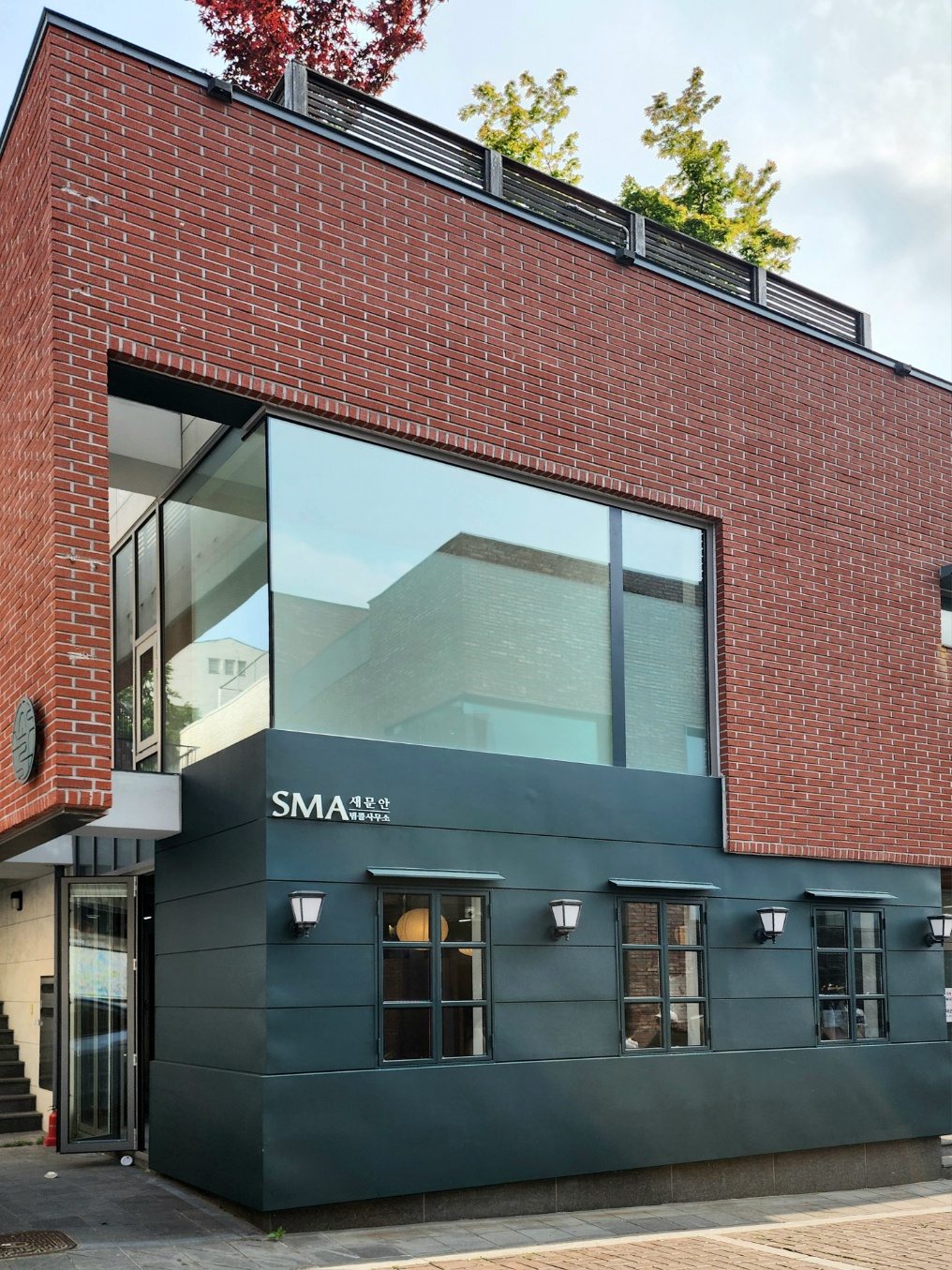
At SMA Lawfirm, we’ve assisted 50+ foreign founders from 20+ countries with Korea startup visa applications. Our services include:
✅ OASIS-9 application review (business plan editing, interview prep)
✅ Company registration (LLC/Corporation setup, apostille handling)
✅ D-8/D-10 visa filing (document preparation, immigration liaison)
✅ IP strategy (patent/trademark filing for point accumulation)
✅ Ongoing compliance (tax filing, visa renewal, F-5 planning)
Success rate: 92% approval for OASIS-9 applications we prepare (vs. 65% overall program average)
📩 Ready to Launch Your Startup in Korea?
The Startup Korea Special Visa (OASIS-9) is the fastest way for foreign entrepreneurs to enter Korea’s thriving tech ecosystem with government funding and mentorship.
Don’t wait—2026 cohorts fill up quickly.
Contact us today:
📧 sma@saemunan.com
🌐 startcompanykorea.com
Our bilingual legal team (English/Korean) will guide you from OASIS-9 application to D-8 visa approval—and beyond.
Disclaimer: This article provides general information and does not constitute legal or immigration advice. Visa eligibility and approval are subject to Korean immigration authorities’ discretion. Consult with a licensed immigration attorney before applying.